
Your Guide to Sleep Apnea in Waterford, MI
No Cost, No-Obligation Consultations

Call: 248.674.0384
No Cost, No-Obligation Consultations
Call: 248.674.0384
No Cost, No-Obligation Consultations
Call: 248.674.0384
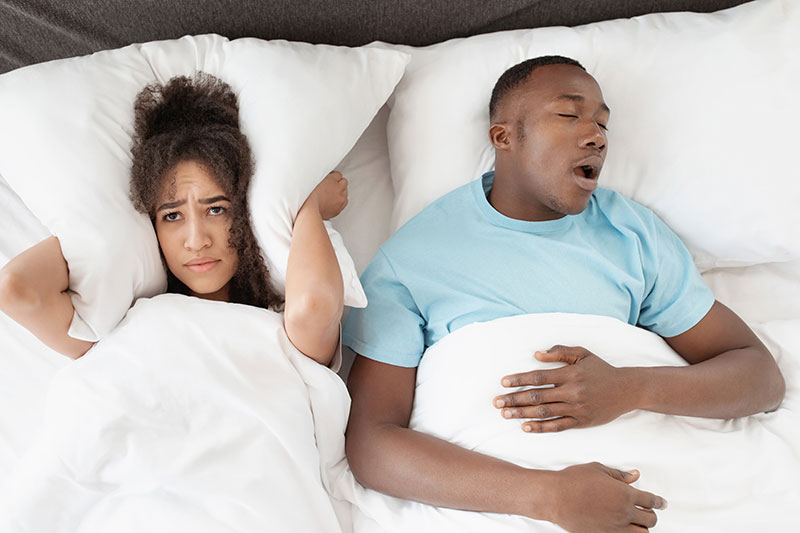
If you find yourself feeling drained of energy during the day or your bedmate complains of loud snoring through the night, it could indicate a more serious condition called sleep apnea.
Sleep apnea is a common sleep disorder that causes a person to stop breathing repeatedly over the course of each night. The brain quickly recognizes your inability to breathe and briefly awakens you so you can resume a normal breathing pattern. This may occur up to 30 times or more every hour throughout the night, preventing you from achieving the quality sleep you need. Untreated sleep apnea can have negative impacts on your overall health and wellness, which is why Dr. Sheehan highly recommends seeking treatment for this condition.
At Oakland Family Dental, we offer effective sleep apnea treatments so that you can reclaim your sleep and protect your health. Read our comprehensive guide to learn more about this condition and how our expert team can support your journey to better sleep.
Types of Sleep Apnea
More than 22 million Americans are afflicted with one of three types of sleep apnea. Each interferes with your breathing during sleep differently and requires a personalized approach to treatment.
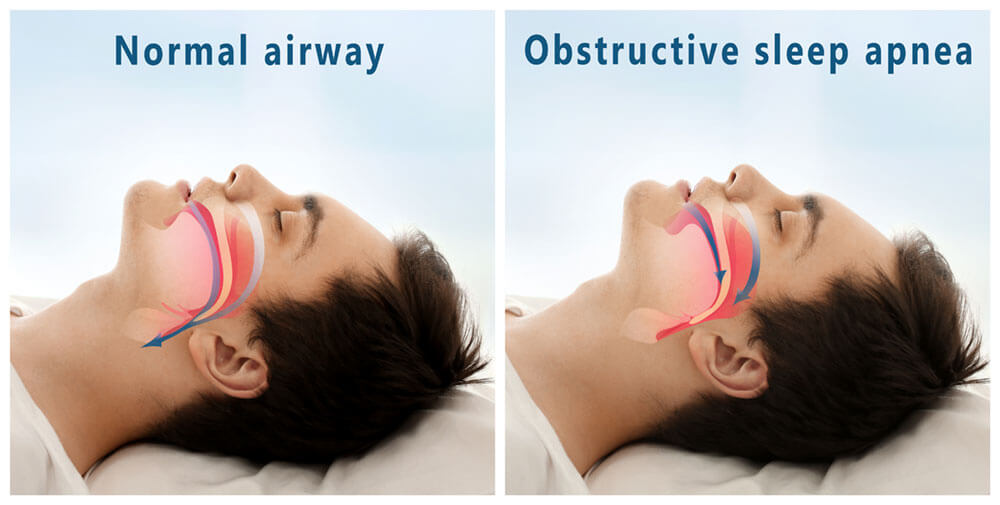
- Obstructive Sleep Apnea (OSA): This is the most common type of sleep apnea, resulting from the throat muscles or tissues of the mouth relaxing while you sleep and obstructing the airway. Treatments are designed to prevent the obstruction so that you can breathe properly.
- Central Sleep Apnea (CSA): This type of sleep apnea results from a misfiring of signals from the brain to the body wherein your body doesn’t respond as it should and breathing becomes irregular. This form of sleep apnea typically develops as a secondary condition brought on by other underlying causes and can only be treated by a specialist. Treatments may include a combination of medication, CPAP, and lifestyle changes.
- Mixed (Complex) Sleep Apnea (MSA): If you exhibit signs of both OSA and CSA, you may be diagnosed with the mixed type of sleep apnea. Treatment can include a variety of methods designed to remove obstructions and address underlying causes.
Oftentimes, episodes of interrupted sleep are so brief that many sufferers don’t even remember it and aren’t aware of their condition at all. Most patients only seek to diagnose their sleep apnea because their sleeping partner is worried about their reoccurring gasping for air or noisy snoring. While snoring is a common sign of sleep apnea, not every person who snores will suffer from sleep apnea. That’s why it’s important to be familiar with the other signs so that you can seek treatment as soon as possible.
If you or your partner notice any of these signs, it’s crucial to see Dr. Sheehan immediately to get a definite diagnosis.
Common Signs of Sleep Apnea
Along with interrupted breathing at night and snoring, other common symptoms to look out for include:
- Irritability and mood swings
- Lack of energy and motivation
- Choking or gasping during sleep
- Impaired memory
- Insomnia
- Frequent urination at night
- Reduced libido
- Headaches or a sore throat in the morning
Oral Symptoms of Sleep Apnea
Patients with sleep apnea will often display additional oral symptoms such as:
- Tongue thrusting or scalloped tongue
- Grinding or clenching of the teeth
- Worn-down teeth
- Redness in the throat upon waking
- Dry mouth upon waking
- Large tonsils or an elongated uvula
- Soft tissues under your tongue (Mandibular Tori) becoming enlarged
- TMJ or facial pain
Sleep Apnea And Your Health
If left untreated, sleep apnea can have damaging effects on your overall health. Specifically, it can increase your risk of heart disease, stroke, depression, and Type 2 diabetes. Sleep apnea has also been associated with further health problems, such as:
- Mood disorders
- Irregular heartbeats
- High blood pressure
- Kidney disease
- Erectile dysfunction
- GERD
- Obesity
- Hypothyroidism
- High cholesterol
Diagnosing Your Sleep Apnea
The only way to properly confirm your condition is by undergoing a sleep study and receiving a professional diagnosis. At Oakland Family Dental, Dr. Sheehan will either refer you to a local physician or personally provide you with a sleep screening at our Waterford office.
If Dr. Sheehan determines you’re at high risk for sleep apnea, we’ll advise you to take a sleep test with a sleep doctor. Our team will work closely with you and your doctor to ensure you promptly receive the treatment you need.
Treatment Options
A continuous positive airway pressure (CPAP) machine is typically the first prescribed treatment for patients diagnosed with sleep apnea. These machines work by delivering a steady flow of air through a tube and mask that’s worn each night. This treatment solution is highly effective for even severe sleep apnea, which is why it’s prescribed most often. However, as many as four in five people don’t use their CPAP mask consistently or stop using it altogether.
Common complaints about CPAP machines include that the devices are bulky, loud, and restrictive—but fortunately, CPAP isn’t the only option to help treat your condition. Dr. Sheehan can help relieve your snoring and sleep apnea symptoms with comfortable treatments including oral appliance therapy and laser treatment.